Due diligence · 7 min read
Water rights on rural Idaho land, explained
In Idaho, water is owned by the state, not the landowner. Here is what that actually means when you are buying acreage.
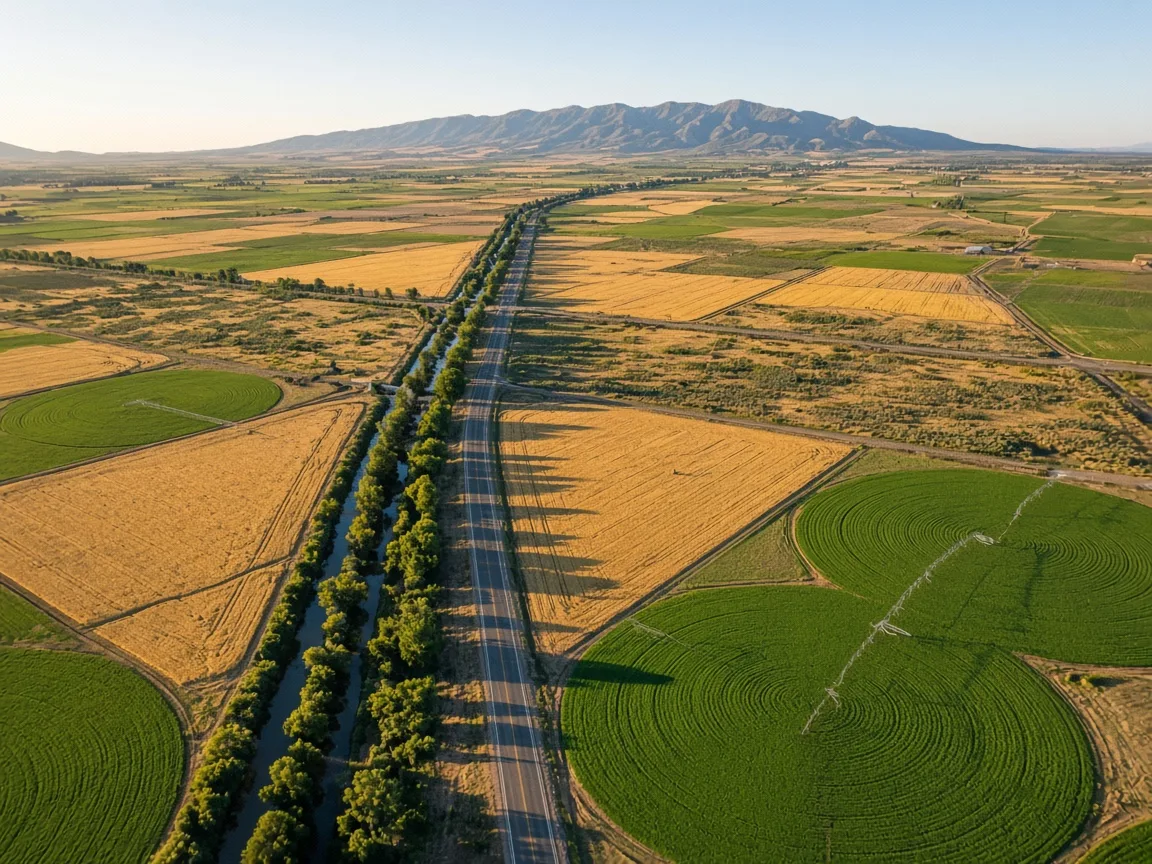
All surface and ground water in Idaho is public water owned by the state. A water right is a separate property right that authorizes its use, and it does not always transfer with the deed.
Water is owned by the state
Under Idaho law, all surface and ground water is public water owned by the state. What a landowner holds is a water right: a property right to divert and use a specific amount of that water for a beneficial use, like irrigating a field or watering livestock. A right is appurtenant to the land, but it only transfers if it is valid and actually being used.
New groundwater uses require a permit from the Idaho Department of Water Resources, while many older rights were established simply by diverting water and putting it to use, then verified through adjudication. That history is why two neighboring parcels can have very different water situations.
The domestic well exemption
Good news for home buyers: under the domestic exemption, water used in the home, for lawn and garden on up to about half an acre, and for livestock watering does not require a separate water-right permit. You still need a well-drilling permit and a licensed driller, but a typical domestic well is exempt from the full permitting process.
That exemption narrows in regulated areas, including critical groundwater areas and areas under moratorium. If you are looking in an area under pressure, ask how the domestic rules apply to lawn irrigation there.
Irrigated land carries its own right
Irrigating a field is a larger, separate beneficial use that requires a full permitted or licensed water right spelling out the acreage irrigated and the place of use. If the listing says the hay ground is irrigated, confirm the right covers the acres, is licensed and decreed, and is still being put to use. Unused rights can be lost through forfeiture.
Treat a seller's verbal reference to water as a starting point, not proof. The deed, the appurtenance, and the IDWR record are what matter.
Questions to ask before you offer
Does an irrigated water right accompany the land, and is it licensed or still permitted?
Has the right been used in recent years, so there is no forfeiture exposure?
Is there a well, how deep is it, and what does it yield?
Does the property sit in a critical groundwater or management area that limits domestic use?
If a transfer of use is planned, has it been approved by IDWR?

Curated by
Nate Swift
A licensed Idaho agent who helps buyers work the due-diligence list on acreage, from water rights to wells, septic, and the numbers that make land livable.
Read moreKeep reading
More field guides

Budgeting
Wells and septic: the real cost of being on acreage
Running water and a working septic system rarely come with raw land. Budget for them honestly before you make an offer.
Planning
How many acres do you actually need?
Five, twenty, or eighty acres: each size buys a different life. Match the parcel to what you really want from the land.
Money
Financing raw land vs. homes with acres
Banks lend differently for raw ground and for a house on acreage. The financing choice shapes how fast you close and how much you lay out.