Planning · 5 min read
How many acres do you actually need?
Five, twenty, or eighty acres: each size buys a different life. Match the parcel to what you really want from the land.
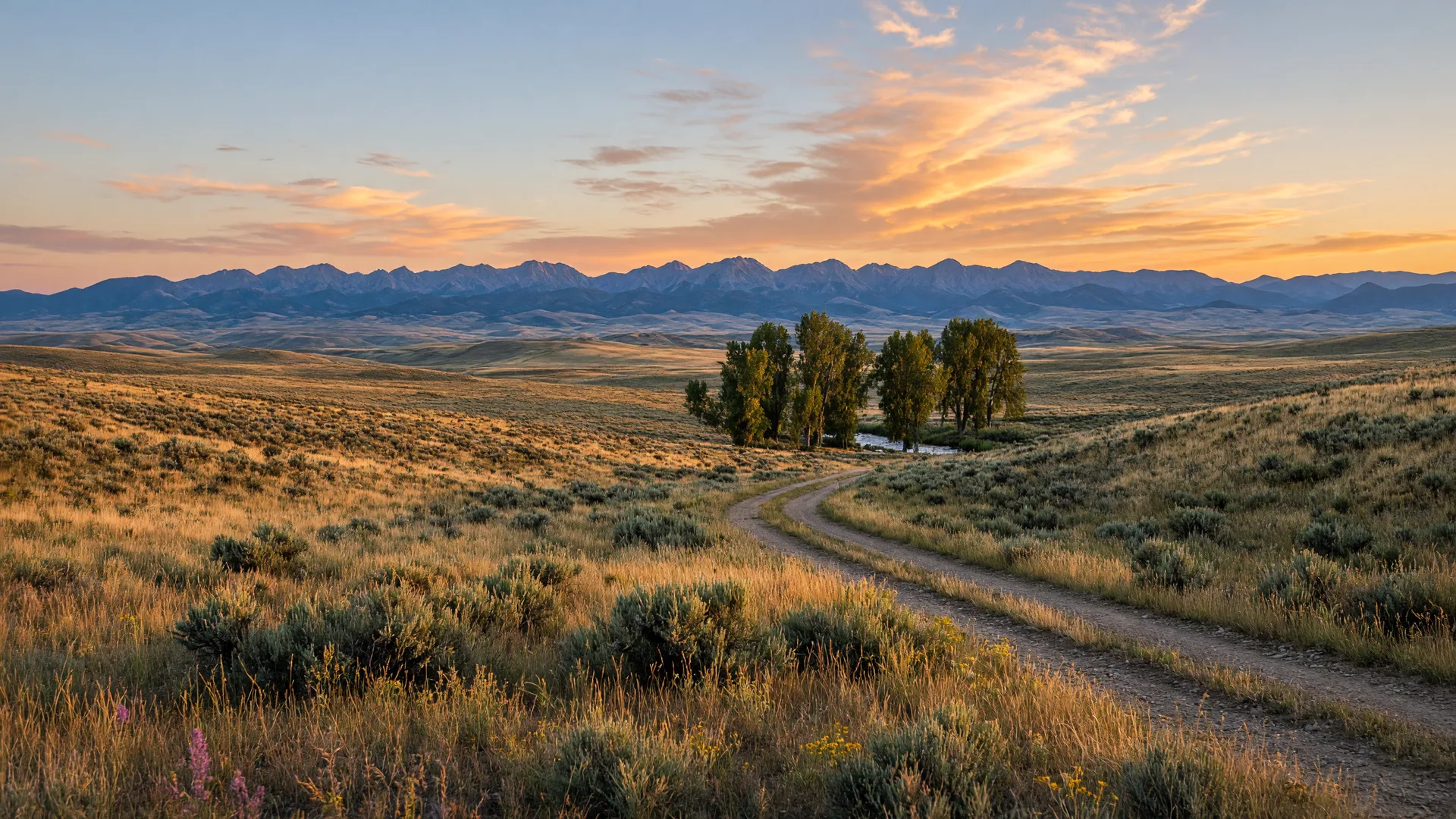
Small acreage protects your view and privacy. Medium acreage grows hay and keeps horses. Big acreage is about space, recreation, and a genuine land ethic. Know which life you are buying.
About 5 acres: privacy with a tame workload
Five acres or so gives you a true homesite with a real buffer from neighbors and room for a shop, a garden, and outbuildings, without committing you to a full farming operation. Mowing, fencing, and clearing stay manageable on weekends.
It is the sweet spot for people who want the feel of acreage and the word 'acre' in the address, but who do not want to feed, water, and haul feed for animals. You can keep a couple of horses on good pasture at this size with thoughtful management.
About 20 acres: land you have to manage
At twenty acres you cross into land that requires daily attention: fences to ride, pastures to rotate, water to move, and weeds that will win if you ignore them. It buys the ability to keep more animals, cut a little hay, and spread out.
If you want a genuine small operation, a bit of hay, a few head, and a real winter ration program, this is the neighborhood that starts to make it work. It also needs a truck, a good fence, and a tolerance for chores.
80 acres and up: space, recreation, and the land ethic
At eighty-plus acres you are buying a lifestyle first and shelter second: room to roam, hunt, ride, and quietly own a piece of the landscape. The economics shift from lawn to land, and the value increasingly lives in the water, the fence lines, and the ability to access it all.
This is where due diligence matters most, because the weeds, the fencing, and the road maintenance are all multiplied. Buy the boundary access, the water, and the easements with the same care you give the house.
Work backward from your week
List what you will actually do with the land, then add the maintenance that follows: mowing, fencing, water, animals, snow removal along a long driveway, and weed control across open acres. Most under-sized or over-sized buyers discover the mismatch within the first season.
A simple test: write your honest Saturday chore list for the parcel in August and in January. If the list feels like a gift, keep the acres. If it feels like a sentence, step the size down.

Curated by
Nate Swift
A licensed Idaho agent who helps buyers work the due-diligence list on acreage, from water rights to wells, septic, and the numbers that make land livable.
Read moreKeep reading
More field guides
Due diligence
Water rights on rural Idaho land, explained
In Idaho, water is owned by the state, not the landowner. Here is what that actually means when you are buying acreage.
Budgeting
Wells and septic: the real cost of being on acreage
Running water and a working septic system rarely come with raw land. Budget for them honestly before you make an offer.
Money
Financing raw land vs. homes with acres
Banks lend differently for raw ground and for a house on acreage. The financing choice shapes how fast you close and how much you lay out.